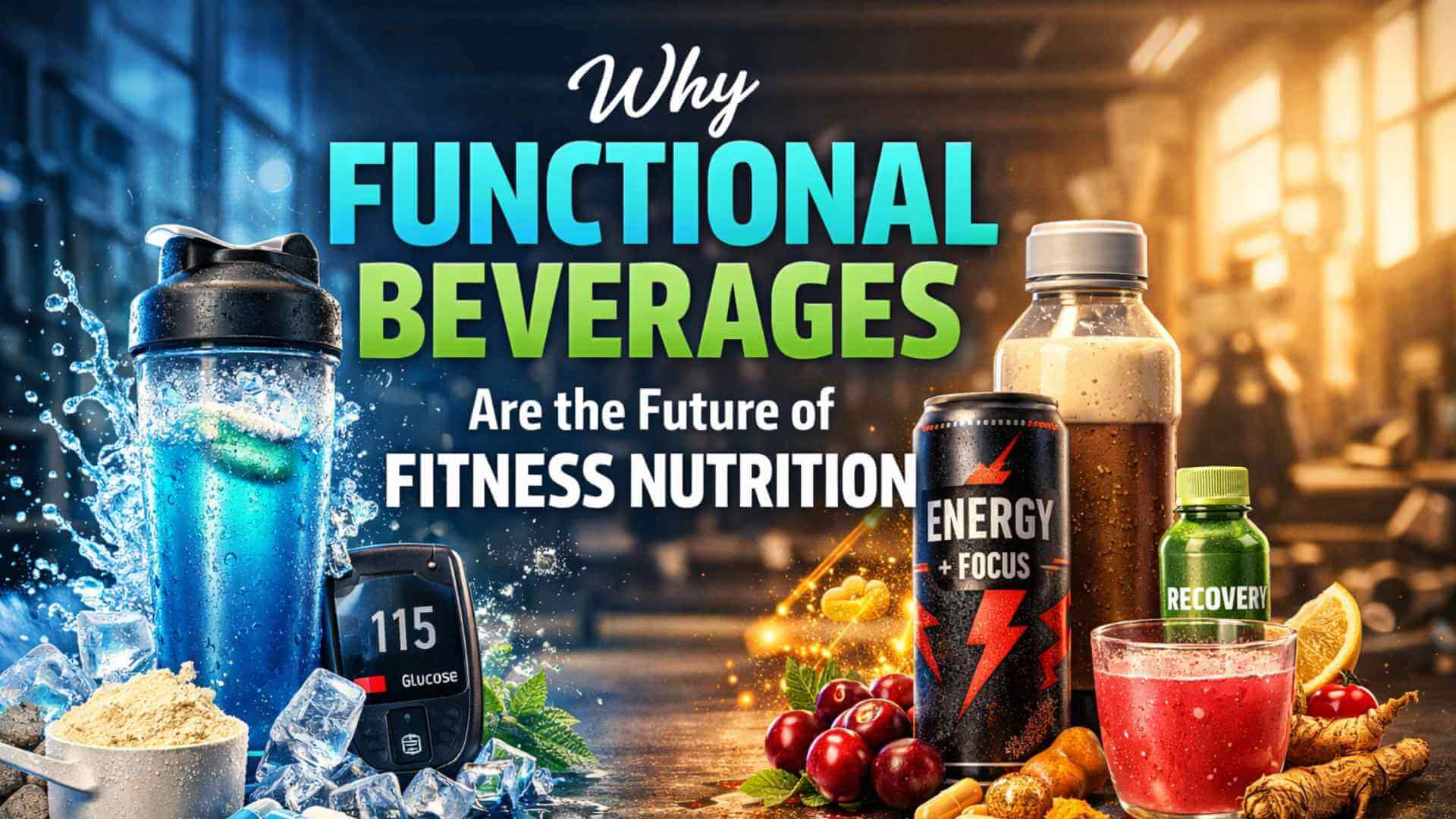

Walk into any gym today and you’ll see it everywhere: shaker bottles, electrolyte mixes, pre-workout cans, protein coffees, collagen waters, and “clean energy” sparkling drinks. What used to be a niche corner of sports nutrition has turned into an everyday habit—and it’s not a trend that’s fading. Functional beverages are quickly becoming the new foundation of fitness nutrition because they deliver something modern consumers value more than ever: convenience + performance + better-for-you ingredients in a format that fits real life.
Fitness nutrition used to be a rigid routine—powders, pills, and planned meals. But today’s lifestyle is faster, more mobile, and more personalized. People want energy without a crash, hydration without sugar overload, recovery without complicated prep, and protein without feeling like they’re drinking a dessert. Functional beverages are solving those needs in a way traditional supplements can’t always match.
What Exactly Is a “Functional Beverage”?
A functional beverage is any drink designed to do more than quench thirst. It delivers targeted benefits—like hydration, endurance, focus, recovery, gut support, immunity, or better sleep—through added ingredients such as electrolytes, amino acids, adaptogens, probiotics, vitamins, protein, or natural stimulants.
In fitness nutrition, functional beverages typically fall into a few key categories:
- Hydration & electrolyte drinks (for training, heat, sweating, endurance)
- Energy & focus drinks (for workouts, productivity, mental sharpness)
- Protein & muscle support drinks (ready-to-drink protein, protein coffee)
- Recovery & anti-fatigue drinks (BCAAs/EAAs, magnesium, tart cherry, etc.)
- Wellness-support drinks (gut health, immunity, stress support, sleep support)
This format isn’t just popular—it’s strategic. Because when performance nutrition is easier to stick with, results become more consistent.
1) Convenience Is the New “Consistency”
The number one reason functional beverages are taking over fitness nutrition is simple: they’re easy to use.
Not everyone has time to:
- measure powder,
- mix perfectly,
- carry multiple supplements,
- keep track of timings,
- or plan around meals.
A functional beverage removes friction. You crack open a can, sip, and you’re done. That simplicity turns occasional use into daily habit—and daily habit is what drives transformation in fitness.
This matters because most people don’t fail due to lack of motivation. They fail due to poor routines. Functional beverages support routines.
2) Hydration Has Become a Performance Metric
Hydration is no longer “drink water and hope for the best.” Fitness consumers are learning that hydration quality matters, not just quantity.
Sweat doesn’t only remove water—it removes electrolytes, especially sodium. When electrolytes drop, performance often follows:
- endurance decreases,
- cramps become more likely,
- perceived exertion goes up,
- recovery can feel slower.
Functional hydration beverages deliver the exact thing water can’t: electrolyte replacement, often with additional perks like:
- magnesium or potassium balance
- carbs for endurance fueling
- amino acids for muscle support
With more people training harder, running longer, playing sports, or exercising in heat, hydration beverages are becoming a “must,” not a “nice-to-have.”
3) People Want Energy Without the Crash
The energy drink category has evolved massively. Fitness-focused consumers now want energy that supports training—not jittery stimulation or sugar spikes.
Modern functional energy drinks are moving toward:
- balanced caffeine (often moderate, not extreme)
- natural sources (like green tea extract)
- no/low sugar
- added focus compounds (like L-theanine, tyrosine, choline)
- cleaner ingredient labels
This shift is important: energy is no longer about “being wired.” It’s about feeling ready—alert, focused, and physically primed.
For many people, an energy beverage has replaced:
- pre-workout powders (for convenience)
- extra cups of coffee (for performance timing)
- sugary drinks (for better composition goals)
4) Protein Is Moving Beyond Shakes
Protein remains the king of fitness nutrition—but consumer preference is changing. Not everyone wants thick shakes daily, and not everyone enjoys the heaviness of a traditional protein drink.
That’s why we’re seeing growth in:
- clear protein waters
- protein coffees
- light RTD protein beverages
- high-protein smoothies with clean labels
The goal is simple: deliver high-quality protein in a format people enjoy often.
Protein beverages also solve a real problem: protein gaps. Many active people train consistently but under-eat protein—especially at breakfast or during busy workdays. A ready-to-drink option makes it effortless to hit targets.
5) Recovery Is Getting Smarter (and More Personalized)
Recovery used to mean “rest more.” Now it means optimizing:
- muscle repair
- inflammation management
- sleep quality
- stress regulation
- hydration balance
- nervous system recovery
Functional beverages fit perfectly into this new recovery mindset because they can be designed for specific outcomes:
- post-workout recovery blends (protein, carbs, electrolytes)
- relaxation and sleep drinks (magnesium, theanine, glycine)
- anti-inflammatory support (tart cherry, turmeric, polyphenols)
- muscle endurance support (EAAs, beta-alanine in some formats)
And here’s the key: the market is shifting toward personalized recovery. A strength athlete may prioritize protein and creatine timing. A runner may prioritize electrolytes and carbs. Someone training under stress may benefit most from magnesium and calming adaptogens.
Functional beverages make this personalization easy—one goal, one drink.
6) “Better-for-You” Is Now Non-Negotiable
Fitness consumers read labels. They care about how ingredients make them feel. And they want products that align with their identity: clean, purposeful, minimal, and effective.
This is pushing brands to improve:
- lower sugar (or zero sugar)
- fewer artificial colors and additives
- better sweeteners and flavor systems
- transparent dosing (no “fairy dusting”)
- credible functional ingredients
The future belongs to beverages that are not only effective, but also feel trustworthy.
7) Functional Beverages Win at Lifestyle Integration
Fitness nutrition used to be “gym-only.” Now it’s lifestyle-based:
- a hydration drink during work,
- protein coffee mid-morning,
- electrolytes after a walk,
- a focus drink before training,
- recovery beverage at night.
Functional beverages blend into daily life because they don’t look like “medicine” or “supplements.” They look like something you’d genuinely enjoy drinking—which is powerful.
The easier it is to integrate, the more consistent it becomes.
What This Means for the Future of Fitness Nutrition
Functional beverages aren’t replacing all supplements or whole foods—but they’re becoming the bridge between intention and action.
The future will be shaped by drinks that deliver:
- Real performance outcomes (hydration, energy, muscle, recovery)
- Convenience (grab-and-go, no mixing, easy timing)
- Better formulations (cleaner labels + clinically supported ingredients)
- Personalization (goal-based drinks for different athletes and lifestyles)
Expect the next wave to include:
- more “stacked” formulations (hydration + focus, protein + gut support, etc.)
- smart caffeine delivery (less crash, better pairing)
- ingredients backed by stronger research and clearer dosages
- functional beverages designed for women’s performance, endurance athletes, and metabolic health
- better taste with less sugar—and fewer artificial fillers
How to Choose the Right Functional Beverage for Your Goals
If you’re building a fitness routine, match your beverage to your outcome:
For performance & sweat-heavy training:
Choose an electrolyte drink with meaningful sodium + potassium.
For energy & training drive:
Choose moderate caffeine with focus support (like theanine/tyrosine) and low sugar.
For muscle-building and fat loss:
Choose a high-quality protein beverage with minimal added sugar.
For recovery & sleep:
Choose calming ingredients like magnesium and theanine (and avoid caffeine late).
Most importantly: don’t chase every trend—choose what you’ll use consistently.
Final Takeaway
Functional beverages are the future of fitness nutrition because they meet people where they are: busy, active, and looking for simple tools that actually work. They transform nutrition from a complicated plan into a repeatable habit. And in fitness, habits beat hype every time.
If you can drink your way into better hydration, smarter energy, higher protein intake, and faster recovery—without extra prep or extra stress—that’s not just convenient. That’s the future.
Leave a Reply