
Table of Contents
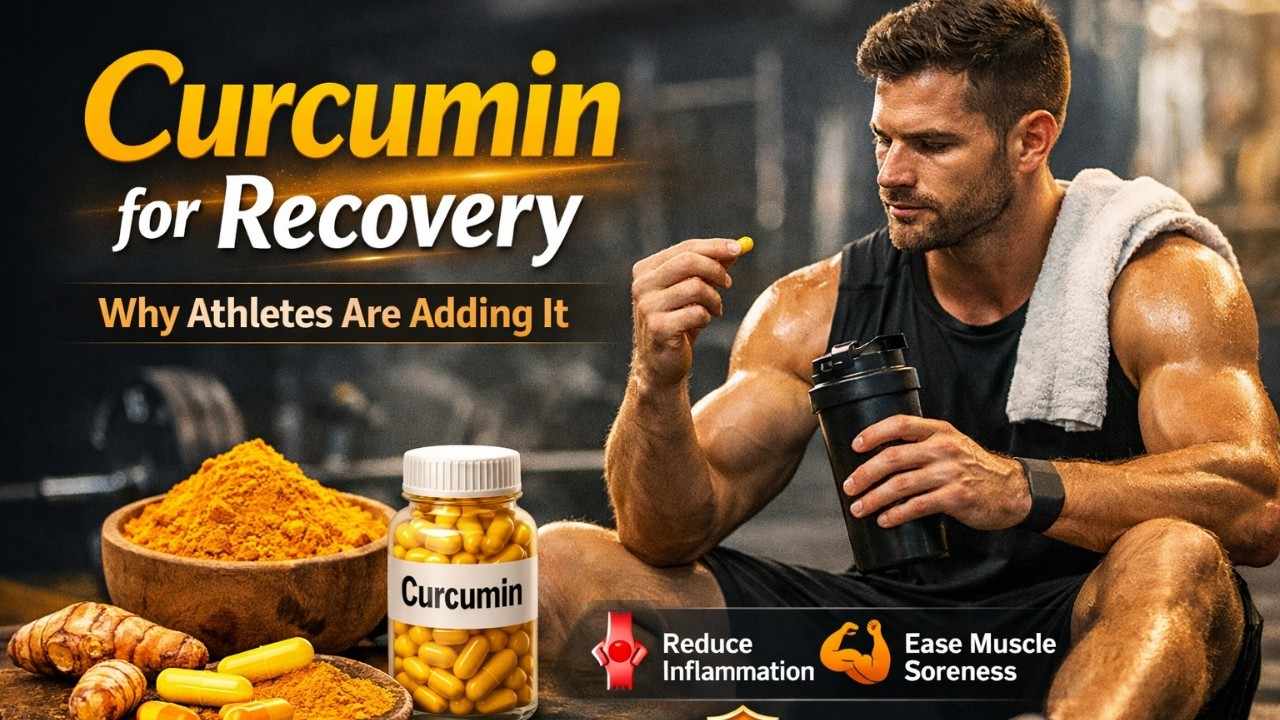
Curcumin is getting popular amongst athletes as it may help aid recovery after difficult training. It is the primary active ingredient in turmeric and famous for its anti-inflammatory and antioxidant effects. Novus is a common ingredient found in many of the recovery products used by athletes such as curcumin, which may help athletes manage post-workout soreness, promote muscle comfort and enhance overall recovery.
Although not a substitute for sleep, hydration, protein and rest, it can be an effective complement to a wise recovery routine. Curcumin is now recognized as an easy and natural recovery support solution for active people who train frequently.
What Is Curcumin?
It is a natural plant compound found in turmeric. Turmeric has a lot of useful compounds in it, but when it comes to recovery and wellness support, curcumin is the one most people discuss.
Turmeric as a spice is undoubtedly healthy, but generally, regular turmeric powder contains very little curcumin. So it is why people who want specific recovery support go for a curcumin supplement rather than relying only on food. They are designed to provide a more concentrated dose.
Curcumin is primarily recognized for its anti-inflammatory and antioxidant properties. Those are the two biggest reasons it appeals to athletes. Intense training places stress on the body. Some inflammation from exercise is normal, but too much can make recovery seem slower and tougher. Curcumin helps the body cope with that stress more effectively.
Why Recovery Matters So Much for Athletes
Most people just train and expect results but training isn’t where the magic happens. That is when the body recovers from training. That repair process allows muscles to rebuild, energy stores to replenish and the body adapt to the work it has done.
When recovery is bad, these athletes can expect:
- Muscle soreness for too long
- Reduced energy in the subsequent session
- Reduced performance
- More stiffness and discomfort
- Trouble staying consistent
- Higher risk of overtraining
That’s why recovery support is so important. Quality recovery allows athletes to train more effectively by renewing their strength, focus and confidence. Especially for people who train frequently or do particularly intense sessions, curcumin was part of that recovery plan.
How Hard Training Affects the Body
Your body undergoes stress when you do a hard workout. That’s not always that bad a thing. And, indeed, this stress is one of the things that contributes to the body getting stronger. But after vigorous training, the body can also feel:
- Small muscle damage
- Oxidative stress
- Joint discomfort
- Swelling or soreness
- Temporary inflammation
Which is normal after strength training, long-distance running, visit at a sport practice or intense session. The body generally copes well, but chronic hard-training ultimately leads to heavy and beaten-up feelings.
This is where curcumin gets interesting. It could allow the body to deal with some of that post-exercise stress more evenly.
Curcumin and Inflammation Support
The main reason why so many athletes use curcumin is due to its inflammation balancing support. The body produces inflammation after vigorous exercise; it's a normal process. This response is a normal part of the repair process, but excessive inflammation can worsen soreness and make recovery less pleasant.
Curcumin may promote a healthier response to this process. That doesn’t mean it wipes out all inflammation, and that’s not the aim anyway. The intention is to aid the body in remaining in a more conducive state for recovery.
For athletes, this may mean:
- Less post-workout stiffness
- Better comfort after hard sessions
- Easier movement the next day
- Support for regular training consistency
This is especially important for those who train multiple times a week and need to recover quickly enough to perform again.
Curcumin and Muscle Soreness
Delayed onset muscle soreness, commonly known as DOMS, is the ache you experience a day or two after an intense workout. It happens after leg day, sprints, long runs, or when trying out a new training style. Those postworkout aches and pains sometimes are mild, but sometimes they can interfere with your movement and motivation.
So many athletes are desperate to alleviate that soreness without relying too heavily on pain relievers. Curcumin is being added because it could help lessen soreness after a workout more naturally.
As long as the soreness stays in check, athletes might have an easier time:
- Walk and move comfortably
- Return to training sooner
- Stay more active between sessions
- Have less mental fatigue from being in chronic pain
Curcumin is not, however, a shortcut. But for lots of active individuals, even a minor reduction in soreness can have outsized effects on routine and consistency.
Curcumin and Oxidative Stress
While we're on the subject of curcumin, another benefit athletes are embracing is its antioxidant support. Intense exercise can increase something in the body called oxidative stress. This occurs when the body makes free radicals in amounts that it cannot effectively handle.
Oxidative stress is a normal effect of life and exercise, but chronic excess can influence recovery and long-term health. Curcumin has antioxidant effects, meaning it may assist the human body in warding off this type of stress.
For athletes, that’s important because recovery is about more than muscles. It is also about the overall body’s response to training load, fatigue and repeated effort.
Why Athletes Prefer Natural Recovery Support
But many modern athletes are craving a more simple and natural support system. And they are getting more frugal about what goes into their body. Rather than relying on just temporary solutions, they are looking for a long-term wellness-oriented approach.
Curcumin is well-studied, which fits that trend nicely:
- Meaning it is derived from a natural source
- It has become a staple in Indian households through turmeric
- It allows the recovery process to occur, both gradually and subtly
- It might even be just part of a daily routine
This is part of why curcumin has gained popularity not only with competitive athletes but also with gym novices, weekend joggers, cyclists, yoga practitioners and active lifestyle individuals.
Who May Benefit from Curcumin for Recovery?
Curcumin may be beneficial in many types of active individuals, especially those looking for improved recovery after training and less discomfort between sessions.
Strength Trainers
Muscle soreness, stiffness and fatigue are common complaints for people who do heavy lifting after vigorous workouts. This alone may help them recover in between sessions and also feel more ready for the next training day. This may come in particularly handy for people who work out several muscle groups weekly.
Runners
Running produces repetitive impact through the musculature and joints, particularly in the leg, knee and lower body. Curcumin can help with post-run recovery support leading many runners to consider curcumin as part of their after care routine following a long run, speed work or race conditioning that may place further stress on your body.
Sports Players
Sports such as Football, cricket badminton, tennis and so forth are all fast-moving and a stress of repeated effort. All these activities can make the body feel achey and tired. Sports players are considered to be active constantly, performing and competing making recovery important between practice sessions or matches.
Fitness Beginners
New workouts can lead to powerful soreness in the initial weeks, as the body still isn’t accustomed to the training load. This may help beginners produce less vomit as their body adjusts to the change. Improved recovery can also help them stay motivated and consistent with exercise.
Endurance Athletes
Cyclists, swimmers and long-distance runners basically anyone who performs lengthier training sessions may also benefit from curcumin. Their bodies also endure repeated physical stress, so recovery support can be a key factor in keeping them performing over time.
People with Busy Schedules
Work, travel or daily responsibilities prevent some people from getting perfect sleep or full recovery time. When life is hectic and we continue training, curcumin can provide additional support. Though it can’t replace rest, it may still be an important part of a balanced plan to recover.
Active Lifestyle Users
The benefits of curcumin are not just for elite athletes. Even regular gym-goers, yogis, home workout fans, weekend warriors, and those who get daily physical activity may benefit. It might aid recovery, enhance post-exercise comfort and help people stay more active on a regular basis.
Which Is Better: Food or Supplement?
They are good and they can be used in a healthy balanced diet. Turmeric can be easily incorporated into milk, curries or soups, or added to warm drinks. However, if an individual desires targeted recovery support, food alone can be insufficient with curcumin.
That’s why a lot of athletes take supplements. A quality curcumin supplement provides a higher dose and is easier to use every day.
One thing: Curcumin is not very well absorbed by the body, on its own. Many supplements contain black pepper extract, also known as piperine, to aid absorption. For a more bio-available formula, some advanced essences utilize proprietary delivery methods.
So if someone is selecting a supplement, quality is important.
How to Add Curcumin to a Recovery Routine
Curcumin is most effective when it has become part of a steady routine, not something ingested infrequently and at random. It is not a complete recovery plan, but part of one.
Here are practical ways athletes can incorporate it:
- Use daily as part of wellness routine
- Use it when you have training block intensives
- Combine it with a good diet and hydration
- Keep prioritizing sleep and rest
The precise dosage may depend on the product and the individual, so it is always a good idea to follow label instructions or consult with a health care professional if necessary.
What to Look for in a Curcumin Product
So when looking for a curcumin product you want to look at quality and absorption as well as some more clear labeling. The label on a quality curcumin supplement should clearly state the amount of curcumin, so you know precisely what your intake is. Because curcumin can’t be easily absorbed into the body on its own, consider products that come with something else in them to support absorption — such as black pepper extract (known as piperine). This will allow the body to utilize curcumin better.
It’s also best to select from a reputable brand that is transparent and not obfuscating information in complex blends. Make sure that the formula is clean and free of fillers, artificial colors or an excess of extra additives. Try to select a product that has been safety and quality tested, if available. A plain, well-made curcumin supplement is typically preferable to the one with attention-getting claims.
Curcumin Is Helpful, But It Is Not Everything
Curcumin is a great supplement to take when recovering but is not considered the be-all-end-all solution when recovering. There are many components that must come together for good recovery. If you are training hard but not sleeping enough, eating poorly, remaining dehydrated and skipping rest days, then curcumin alone will not solve those issues. It could hold the body, but it cannot make up for the essentials.
Athletes and active people also need adequate nutrition, sufficient protein intake, quality sleep, hydration and a well-planned workout. Stretching, mobility work and rest are also crucial for the body to recover properly. Curcumin is most effective as a support tool, not a shortcut.
So in short, yes curcumin can help but real results come from a full recovery plan. When done properly, curcumin can offer more support on top of healthy habits and help athletes feel like they’re as prepared as possible for their next training session.
Is Curcumin Safe?
Curcumin is generally well tolerated in most individuals when taken appropriately. But like any supplement, it should be taken with caution. Certain individuals may have digestive sensitivity — and those with medical conditions health or on medications should consult a doctor before beginning it.
This is especially critical for those who:
- Take blood-thinning medicines
- Have gallbladder issues
- Are pregnant or breastfeeding
- Have any ongoing medical condition
Supplements should always be taken if they are from trusted brands, and not more than recommended amount.
Final Thoughts
Curcumin is making a smart addition to many athlete regimens as recovery is just as important as training. Intensive workouts stress the body, and while some muscle soreness and inflammation are to be expected, too much can hinder progress and cover for consistency. Curcumin is a simple, natural way to help the body in that recovery process.
Athletes are using curcumin for muscle soreness, maintaining a balanced inflammatory response and post-exercise antioxidant support. No wonder it is getting a lot of notice from those who want to train hard without the constant sense of being beat up.
Probably the biggest reason for its rise in popularity is quite simple: Athletes want to feel prepared for the next session. They desire better movement, reduced discomfort and more consistency. Used as part of a complete recovery plan, curcumin may help support that goal.
So for anyone serious about performance, and that’s not just working out, curcumin is something to be aware of. It is not a quick solution, but it can be a helpful and hands-on tool for those looking to recover more efficiently, train more effectively and stay fit over the long haul.
Frequently Asked Questions (FAQ)
1. Is curcumin good for muscle recovery?
Curcumin can help support muscle recovery by helping the body cope with post-workout soreness and exercise-induced stress.
2. Why do athletes take curcumin?
Athletes often take curcumin to aid with recovery, minimize post-workout soreness and feel better in between training sessions.
3. Can curcumin reduce post-workout soreness?
Curcumin can minimise soreness following training, particularly after intense training, heavy lifting or running.
4. Is curcumin anti-inflammatory for athletes?
One reason many athletes include it in a recovery routine is that curcumin is well known for its anti-inflammatory properties.
5. When should athletes take curcumin?
Depending on the routine and an individual product recommendations, athletes frequently take curcumin daily or during times of intense training.
Leave a Reply